Jackson Elite Roofing provides roof inspection in Jackson, NJ, serving surrounding cities including Vista Center, Cedar Glen West, Leisure Knoll, Leisure Village West and Plumsted. With more than 20 years in roofing, we know where Ocean County roofs tend to fail, from cracked pipe boots and tired valley shingles to attics that were never vented properly, and our inspections are built around checking those places on purpose.
An inspection with us covers the roof, the edges and the attic in one visit. Many roof problems are invisible from the shingle side, such as damp sheathing, blocked soffits or a slow leak along a rafter, so we look from both sides before drawing any conclusion.
You get photographs and a written condition report, not a verbal guess from the driveway. The report separates what needs repair now from what is simply worth watching, and it tells you plainly when the roof is in good shape and nothing needs to be done.
What We Check on the Roof
Shingle Condition and Remaining Life
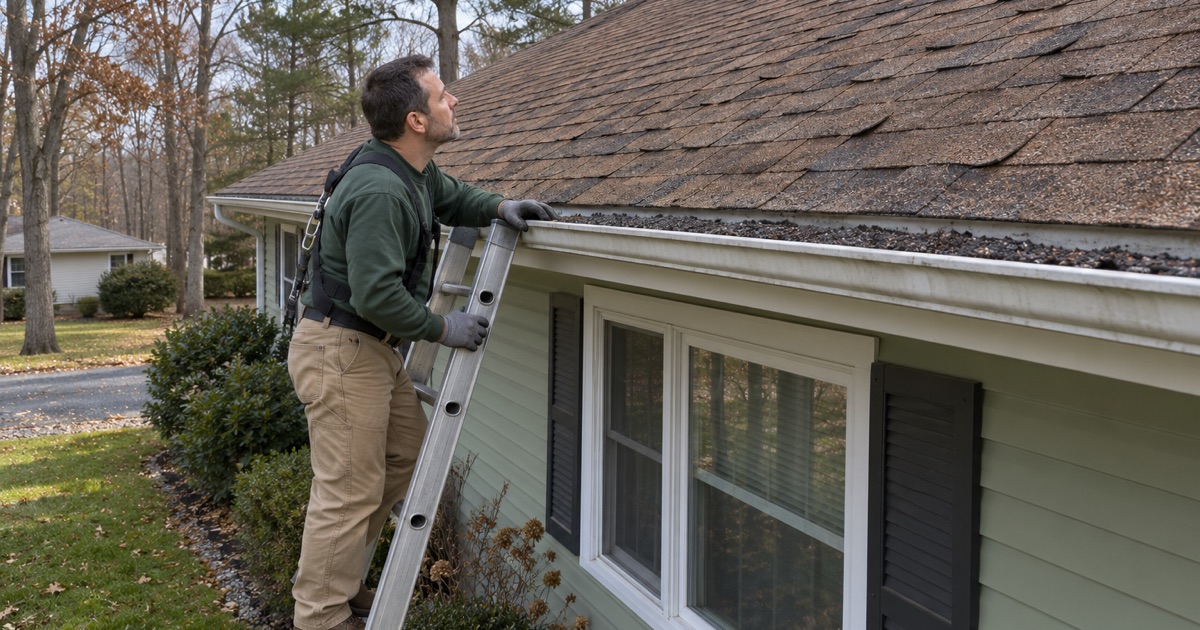
We look for curling and cupping, bald spots where granules have washed off, cracked or missing tabs and shingles whose sealant strips never bonded. Granules collected in the gutters and at downspout outlets tell us how fast the surface is wearing.
From those signs we estimate how much life the roof has left and say what is driving it. A roof losing granules only on its sunniest slope tells a different story from one failing evenly everywhere, and the difference changes what you should plan for.
Flashing and Roof Penetrations
Most leaks begin where something passes through or meets the roof. We check step and counter flashing along walls, the apron and cricket at chimneys, kick-out flashing where roof edges meet siding, and the boots around every plumbing vent.
We also note skylight curbs, satellite and solar mounts and any place where a previous repair relied on roof cement instead of metal. Those spots are photographed up close, because they are usually where the next leak starts.
Edges, Gutters and Drip Edge
At the eaves we check for drip edge, rotted fascia, gutters pulling away from the house and leaders that dump water against the foundation. Pine needles packed into gutters and valleys are a common find in Jackson and hold water against the roof edge.
We report on gutter size and pitch as well as condition. A gutter that overflows in every heavy rain is part of the roof system, and fixing it is often cheaper than repairing the fascia it keeps soaking.
Trees Over the Roof
Overhanging pines and oaks are part of the inspection, not an afterthought. A limb that brushes the shingles in every wind grinds off granules along a line, and heavy shade keeps one slope damp enough to grow moss.
We note which limbs are touching or threatening the roof and where shade is causing moisture problems. You can then decide with a tree service what to trim before it becomes a roof repair.
What We Check in the Attic
Ventilation and Insulation
A roof ages from underneath when the attic cannot breathe. We look at soffit intake and ridge or gable exhaust, check whether insulation is blocking the soffit vents and look for bathroom fans or dryer lines venting into the attic space.
Poor ventilation shows up as frost on the sheathing in winter, very high summer heat, rusty nail tips and dark staining. Each of those is photographed and explained, along with what it would take to correct it.
Decking, Moisture and Old Leaks
From inside we can see what the shingles hide: water lines on rafters, soft or delaminated sheathing, old stains that may or may not still be active, and daylight where it should not be. We use the pattern of staining to trace any active leak back to its source.
On older Jackson homes we also note plank decking, signs of a second layer and sagging between rafters. Those details matter if you will be replacing the roof soon, because they change the scope and the price.
Inspections for Buying, Selling and Insurance
Pre-Listing Roof Condition Reports
Sellers can hand our written roof condition report to the buyer’s inspector, describing the roof’s approximate age, condition and any repairs already made. It answers the roof questions early, rather than leaving them for a renegotiation days before closing.
If the inspection finds a small repair, you can have it done before listing. If the roof is near the end of its life, you will know before a buyer’s inspector says so, and you can decide how to handle it.
Inspections for Buyers and Older Roofs
Buyers looking at older houses often want more detail on the roof than a general home inspection gives. We count layers where we can, look for signs of an old overlay and give a realistic sense of how soon a replacement might be needed.
Many lenders and insurers ask about a roof’s age and remaining life, and some policies settle claims on older roofs differently from new ones. A clear inspection report gives you better information for those conversations.
Storm Damage Inspections
After a windstorm or a tree strike, we inspect for lifted, creased and missing shingles, punctured decking and damaged flashing. Jackson has seen this firsthand, including the two EF-2 tornadoes that crossed the township on April 1, 2023.
We photograph and write up storm damage for your own claim, keeping it separate from ordinary wear. When you ask, we meet your adjuster on the roof to point out what we found, while the claim itself stays between you and your insurer.
Commercial and Association Roof Inspections
Low-Slope Commercial Roofs
Commercial and mixed-use buildings often have modified bitumen, EPDM or TPO membranes rather than shingles. On those we check seams, drains and scuppers, ponding areas, flashing at parapets and the curbs around rooftop equipment.
We report on the membrane’s condition and whether repairs, a coating or replacement makes the most sense. Commercial roof work in New Jersey requires a permit, which we factor into any recommendation.
Townhouse and 55+ Community Roofs
In townhouse rows and 55+ communities, the first question is who is responsible for the roof. We check the association’s documents before treating an inspection as the owner’s job, and we note where a roof section runs continuously over the party wall into a neighbor’s unit.
Associations planning several roofs at once can use our inspections to see which sections are closest to replacement. That information helps a board plan its spending, rather than reacting to leaks one unit at a time.
Our Step-by-Step Roof Inspection Process
Step 1: A Walk Around the House
We start on the ground, looking at the roof lines, gutters, downspouts, fascia and trees. This gives us the layout and shows any sagging ridges or obvious storm damage before we climb.
Step 2: The Roof Surface
Where it is safe, we walk the roof, checking shingles, flashing, penetrations, valleys and ridge with close-up photographs of anything worth noting. On roofs too steep or fragile to walk, we work from the edges and say so in the report.
Step 3: The Attic
Inside, we check ventilation, insulation, sheathing and any signs of moisture or old leaks, matching what we find to what we saw on the roof. A stain under a spot that looked fine from above is exactly the kind of mismatch this step catches.
Step 4: The Written Report
You receive a written report with photographs, an estimated remaining life and a clear list of what needs attention now versus later. If repairs are needed, we quote them separately so you can decide without pressure.
- 20+ Years in Business
- Free Written Estimates
- Attic Checked on Every Leak Call